SURGERY DAY
Outpatient procedure
Shoulder replacement can usually be performed as an outpatient procedure, allowing you to recover at home after meeting discharge criteria.
VISUAL CONSULTATION GUIDE
Choose a topic. We’ll look at what is causing the problem, what treatment changes, and what recovery generally involves.

This guide supports—not replaces—your individual discussion, examination, imaging review, and treatment plan.
SHOULDER ARTHRITIS
Used when the joint surfaces are worn but the rotator cuff can still center and move the shoulder.
AFTER SURGERY
Most patients go home the day of surgery. These are the usual early guidelines; Dr. Ramirez may adjust them for your specific operation.
Shoulder replacement can usually be performed as an outpatient procedure, allowing you to recover at home after meeting discharge criteria.
Wear the sling for about two weeks. You may remove it for approved self-care and gentle activities performed in front of your body.
Physical therapy usually starts a couple of weeks after surgery and progresses according to healing, comfort, and your procedure.
Many patients reach their major recovery milestones at approximately three months, although strength and endurance may continue improving.
Wash your face, brush your teeth, eat, use a phone, and carefully comb your hair—while keeping the elbow low and avoiding an overhead reach.
No reaching overhead, no reaching behind your back, and no lifting more than one pound until Dr. Ramirez advances your restrictions.


Important: This is a general teaching guide. Your written postoperative instructions and Dr. Ramirez’s recommendations for your specific surgery take priority.
CUFF-DEFICIENT ARTHRITIS
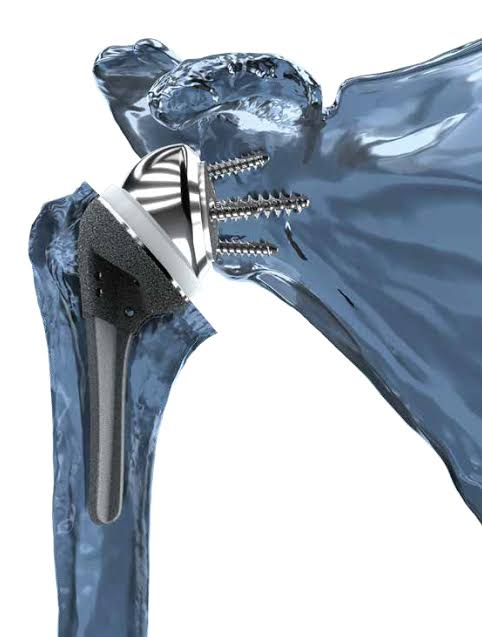
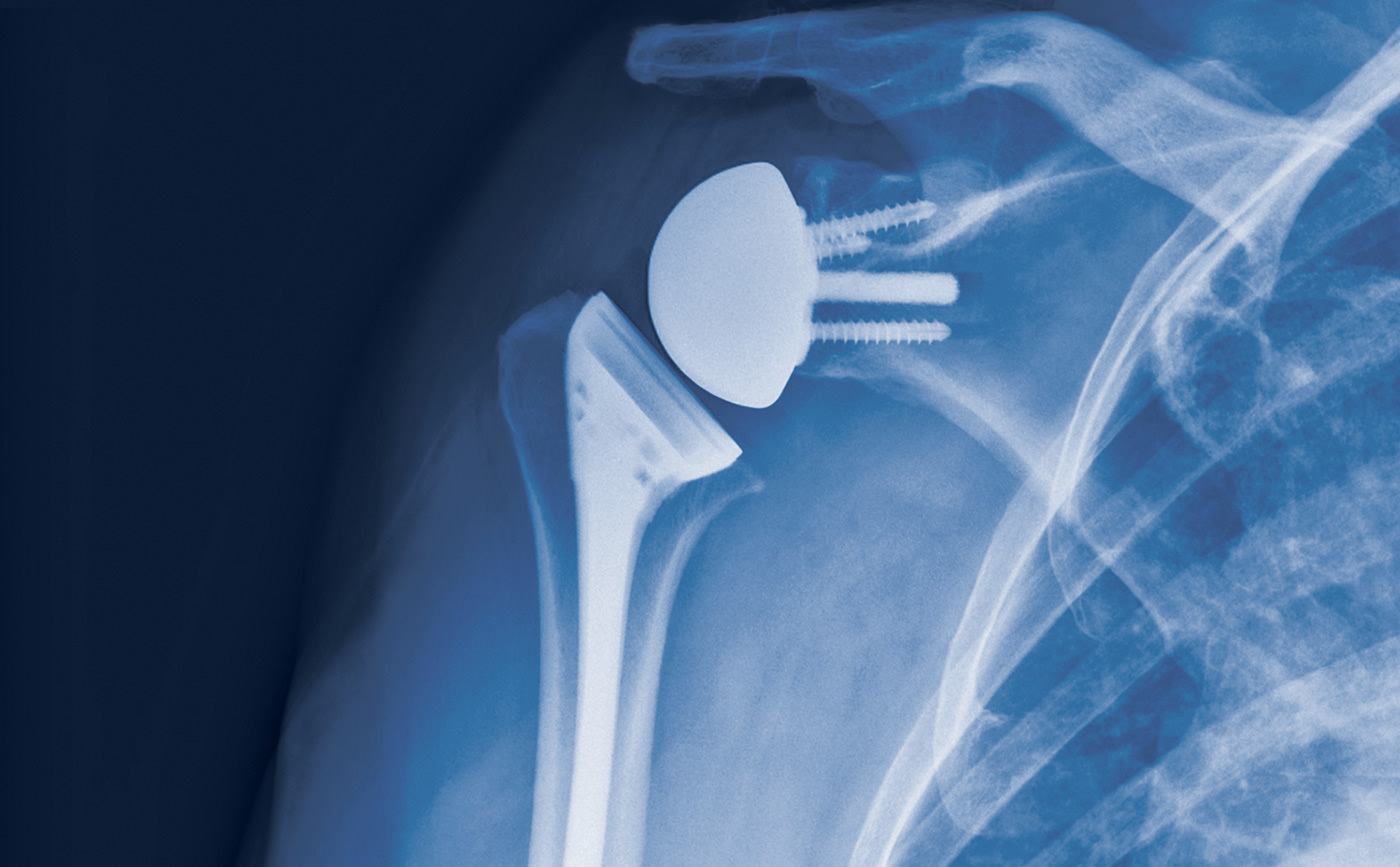
Used when the rotator cuff cannot reliably power or center the joint, or when the anatomy requires greater stability.
TENDON INJURY
The cuff is a group of four tendons that centers the ball and helps lift and rotate the arm.
SUPERIOR LABRUM & BICEPS ANCHOR
The labrum is a rim of cartilage that deepens the socket. A SLAP tear affects the top of that rim, near the biceps attachment.
When surgery is recommended, a biceps tenodesis can remove the painful pull of the biceps from the torn superior labrum.
CAPSULAR STIFFNESS
The joint lining becomes inflamed, thickened, and contracted—restricting both active and passive motion.
